How Long Does It Take to Build a Custom Home?
July 25, 2026
 Call Us 901-870-7263
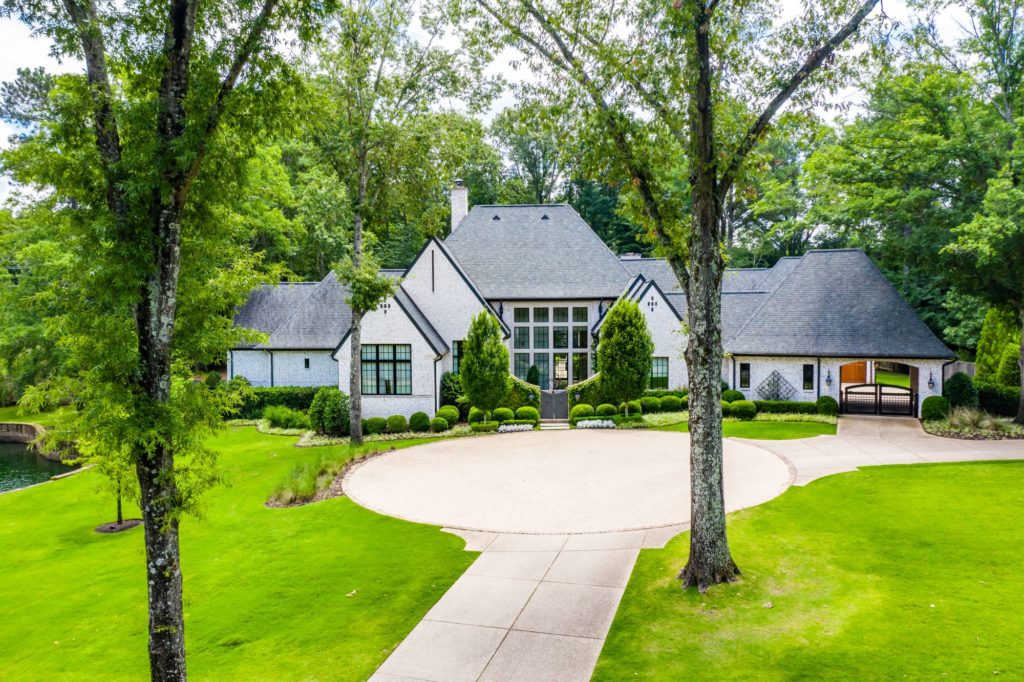
Learning how to choose a custom home builder comes down to four things: verified credentials, finished homes you can walk through, a line-item scope you actually understand, and honest communication. Compare three to five builders on identical plans and allowances. Then hire the team whose process and references hold up under questions. At Longtown Builders, we sit through that comparison with families regularly, and the questions below are the ones we’d want you asking us.
A custom home builder constructs a one-of-a-kind home on your lot, using plans you control. Nothing is pulled from a catalog. You choose the layout, elevations, materials, and finishes, and the builder coordinates every trade, inspection, and dollar from the first sketch through closing day.
That’s different from the other models you’ll run into while shopping.
A true custom builder wears more hats. Design coordination, permitting, scheduling trades, managing inspections, tracking the budget, and handling warranty work all fall under one roof. That single point of accountability is the whole reason the model exists, and it’s what separates building elegant custom homes from simply assembling one.
Most engagements start the same way. You sit down and determine your budget and goals, sort your must-haves from your nice-to-haves, and get a realistic picture of what your lot and price range support. That conversation happens before a single line is drawn.
Six steps, in order. Skipping the early ones is what leads to painful surprises later.
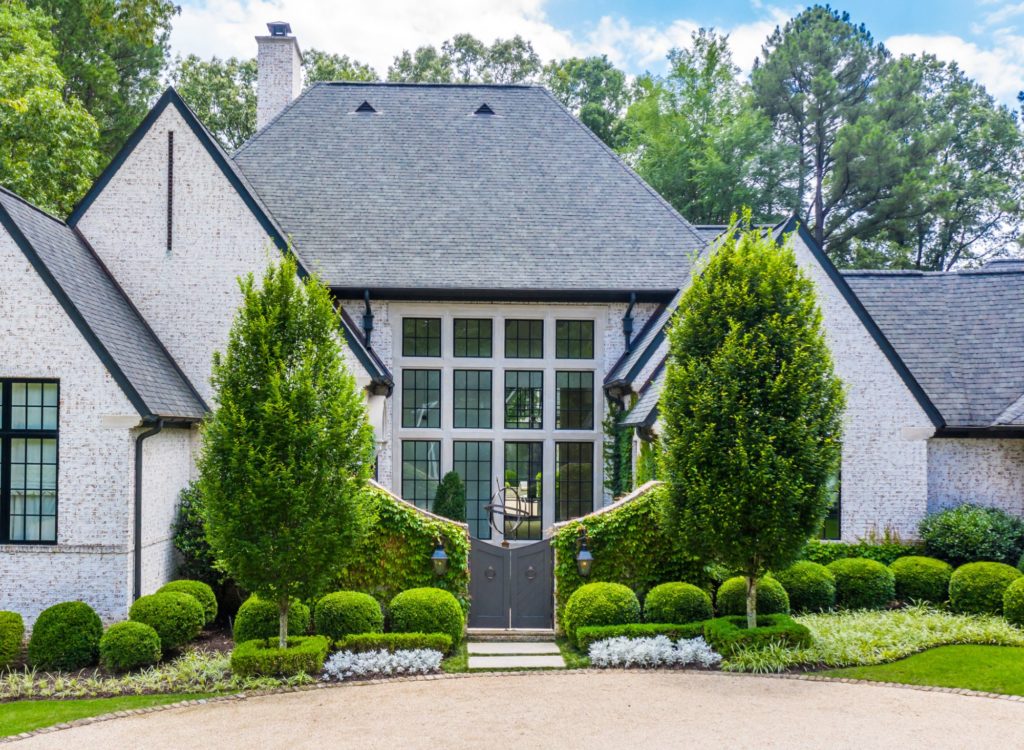
The right builder changes how the whole experience feels, not just the finished product.
The daily texture of the build changes first. Decisions arrive with context, pricing arrives before you commit, and the design starts reflecting your household instead of a market average.
Two ways, mostly: by keeping decisions on a calendar you can see, and by documenting the work well enough that it still speaks for itself years later.
There’s also the part nobody puts in a brochure. Building should be one of the better years of your family’s life, not a year of dreading your phone.
Each model works for someone. The question is which one matches your appetite for decisions and control.
| Custom Builder | Semi-Custom Builder | Production Builder | General Contracting Firm | |
|---|---|---|---|---|
| Design flexibility | Full; plans built around you | Preset plans with real upgrade paths | Fixed plans, limited structural changes | Builds your plans as drawn |
| Lot options | Your lot, anywhere you buy | Often builder-owned lots | Builder’s developments only | Your lot |
| Price predictability | Depends on scope discipline | Moderate; upgrade pricing published | Highest; published price sheets | Varies with plan quality |
| Timeline | Longer; design adds months | Moderate | Fastest | Depends on plan readiness |
| Decision load | Heaviest | Moderate | Lightest | Heavy, with less guidance |
Production builders move quickly because repetition makes them efficient. You trade structural freedom for speed and a known price.
Semi-custom sits in the middle. You get meaningful upgrade choices without starting from a blank page.
A general contracting firm executes plans you supply. That works when you’ve already hired an architect and know exactly what you want. It works poorly when you need design guidance, because coordinating architect, designer, and trades falls back on you.
Custom building asks more of you up front. In exchange, you get the right home, the right place, and a home that fits your family instead of the market’s average.
Bid differences are driven mostly by lot conditions, total square footage, foundation type, roof complexity, allowance levels for cabinetry and flooring, and mechanical system design. Two builders pricing the same plans can land far apart because of what each one included, not because one is padding profit.
The gap usually isn’t margin. It’s what each bid actually includes: allowance levels, site work assumptions, mechanical specs, and how much of the unknown one builder carried and the other left out. The spread on identical plans can be substantial, and it almost always traces back to scope rather than markup.
Structure and shell
Selections and allowances
Cabinetry, flooring, windows, plumbing fixtures, and lighting swing budgets more than almost anything else. A modest cabinet allowance and a generous one produce very different kitchens on identical plans, which is why comparing allowance levels matters more than comparing totals.
Systems and performance
HVAC design, duct sealing, insulation package, and air-sealing targets affect both cost and comfort. In a humid climate, an undersized or poorly designed system shows up as humidity problems within the first summer.
Site costs people forget
Send every builder the same plans, the same allowance figures, and the same specification list. Ask for line-item pricing, not a single lump sum. Then ask each builder what they excluded and what they assumed about the site. The answers tell you a lot about who studied your project and who guessed.
You’re probably ready if you’ve started a construction loan conversation or have financing pre-approval in hand, you’ve identified a lot, and you hold a realistic budget range with a contingency set aside. Add one more: everyone making decisions agrees on scope.
You also need to commit time. Selections have deadlines. Site meetings happen on a set schedule. Custom building rewards clients who show up and decide.
Signs it’s smarter to wait:
If waiting makes sense right now, other options are worth a look. A semi-custom build shortens design time. A major renovation can deliver much of what you want in a home you already love. A finished spec home gets you moved in quickly, with fewer decisions.
None of those are lesser choices. They’re just different fits.
Longtown Builders started in 2009, and founders Jarod Wilder and Sammy Stover have spent every year since refining their approach to crafting dream homes. We’re members of our regional home builders association, which named us Home Builder of the Month twice. Our work also earned Best Entertainment/Media Room at the 2019 Vesta Home Show.
One of our builders is on the job every day. You’ll always know who’s accountable for your home and who to call.
We’re upfront about your budget and every step of the custom home building process, because communication is what keeps a build calm. Our gallery of completed homes is there for the same reason. Trust our results, then talk to the families who live in them.
Start the conversation earlier than feels necessary. Good builders book out, design and permitting take months of their own, and the earliest conversations are the ones that shape your budget most. If you are working backward from a move-in date, map the full build timeline first and plan from there.
Ask who will be on site daily, how change orders are priced and approved, what your allowances actually cover, and how the draw schedule works. Request references from clients who’ve been in their homes two or more years. Also ask what the warranty covers and for how long, in writing.
Three to five is the sweet spot. Fewer than three leaves you without context for pricing. More than five turns comparison into a full-time job, and quality builders can tell when they’re one of ten names on a list.
Watch for vague scope language, missing allowance amounts, no written change-order procedure, large deposits requested before work begins, and no defined warranty period. A refusal to provide license and insurance documentation is a hard stop. So is pressure to sign quickly.
Both approaches work. Some families arrive with completed architectural plans, while others want the builder to assemble the design team. Longtown Builders has relationships with top architects and interior designers, so your dream home gets planned with the details covered.
That depends entirely on your contract, which is why reading it matters. Generally, overruns tied to selections that exceed your allowances, or to changes you request mid-build, fall to you. Costs created by a builder’s estimating errors or scope omissions should stay with the builder. Get that distinction spelled out before you sign.